Showing posts with label boost brain power supplements. Show all posts

Thursday, April 14, 2016

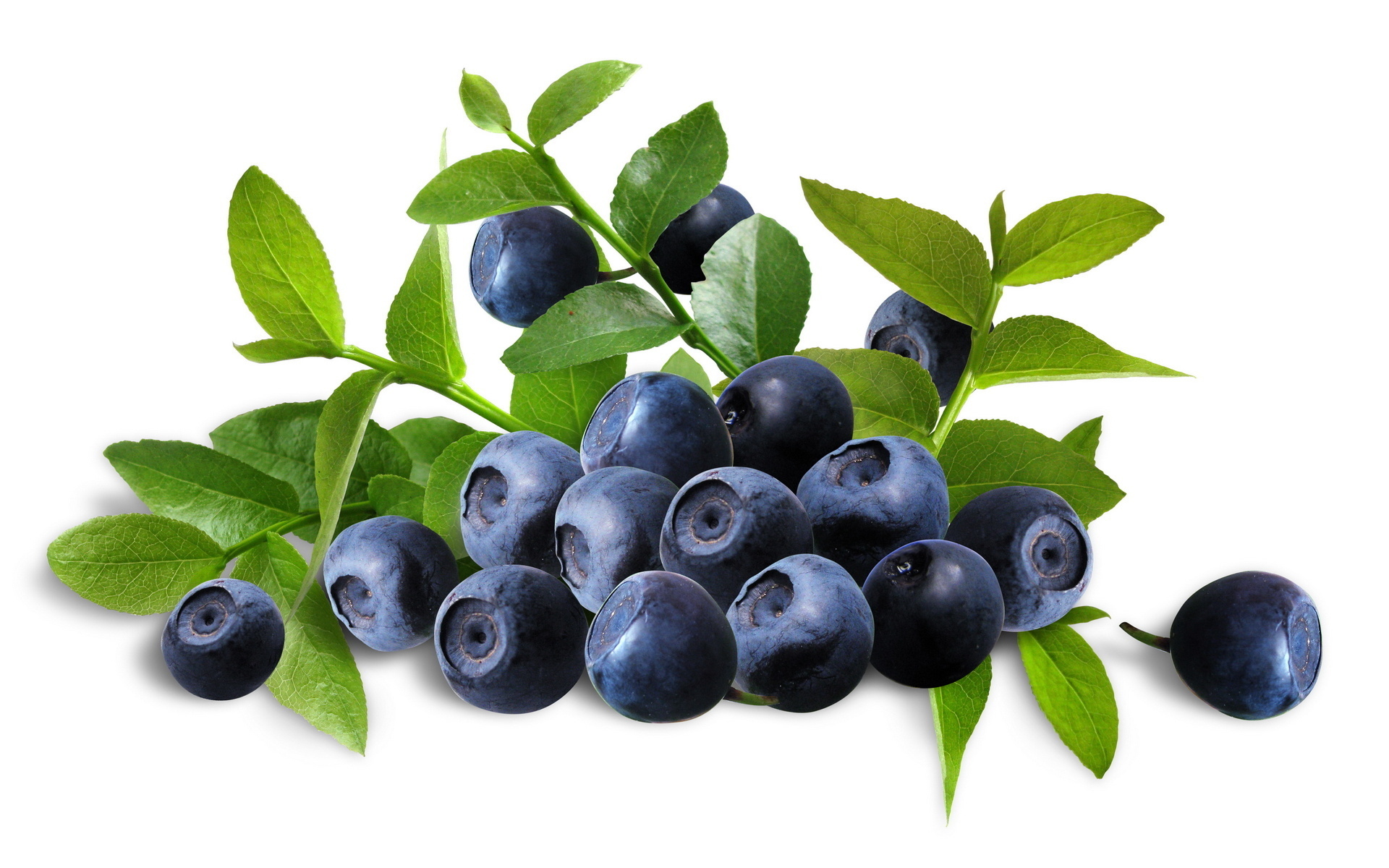
Blueberries and strawberries reduce cognitive impairment in older adults

 Did you know that eating blueberries and strawberries is one of the smartest things you can do to prevent cognitive impairment?
Let’s face it: Nobody wants to experience dementia or any other brain disorder, but most people haven’t been told by their doctor how to prevent these conditions.  In fact, too often, a person’s loss of memory, inability to learn or make good decisions go unnoticed (sometimes ignored) – until it’s too late to correct with better nutrition and other lifestyle changes.

The problem with conventional wisdom: Where is the solution?

The Centers for Disease Control (CDC) openly admit that more than 16 million people are living with cognitive impairment, with age (according to the CDC) proving to be the largest factor.  The CDC goes on to say that about 5.1 million of us 65 or older may have Alzheimer’s disease, the most well-known form of brain dysfunction.  Unfortunately, the CDC does little to teach people about the true cause of disease or the value of eating healthy foods like blueberries or any other natural food.
These staggering statistics have led many people to search for more natural ways to improve brain function.  Fortunately, there is an extensive amount of research indicating that strawberries and blueberries can offer brain health benefits and should be considered a vital part of an overall healthy diet. (of course, we’re talking about organic varieties only – without the chemicals)

How do blueberries improve brain health?

We know that berries contain high levels of flavonoids and bioflavonoids like anthocyanidins – which provide lots of antioxidants and have anti-inflammatory properties.  Since we know that stress and inflammation play a major role in contributing to cognitive impairment, studies were conducted to see if increasing the intake of strawberries and blueberries could slow down the progression of these brain-related diseases.
The results?  Actually, they are quite impressive. (keep reading)
The Nurses’ Health Study, initiated in 1976, is among one of the largest investigations into the risk factors for major chronic diseases in women.  Currently at over 275,000 participants, people were given ‘food frequency questionnaires’ every four years.  In the period from 1995 to 2001, they began measuring cognitive function in over 16,000 participants who were over 70 years of age.
Ultimately, the results of the study were published in 2012 and it offers hope for those looking for a natural way to improve brain health and prevent dementia.

It’s official: Blueberries and strawberries reach “super food” status for brain health

The results of the study showed that increasing the intake of blueberries and strawberries resulted in slowing the rate of cognitive decline in these older participants. In fact, it showed that increasing strawberry and blueberry intake could slow cognitive decline by as much as two and a half years. This was the first research of any significance involving humans.
Overall berries, and blueberries in particular, have long had a reputation as a “superfood.”  They are rich in nutrients, antioxidants and phytochemicals that can help us prevent heart disease, arthritis, diabetes, and high blood pressure.  And now, thanks to the Nurses’ Health Study, we can say that berries are a super brain food.
Image result for strawberry fruit
As the baby boomer population continues to age, the problem of cognitive impairment will likely continue to increase, placing more pressure on families and the healthcare system. This research clearly suggests that a diet rich in whole foods, such as berries, is a smart choice to avoid dementia and other brain-related disorders.  If you feel like your diet needs improvement, don’t wait – get started today.

References:
http://www.cdc.gov/aging/pdf/cognitive_impairment/cogimp_poilicy_final.pdf
http://www.medicalnewstoday.com/articles/244647.php
http://www.sciencedaily.com/releases/2012/04/120426110250.htm
http://www.medicaldaily.com/eating-berries-slows-mental-decline-25-years-240261
http://www.ncbi.nlm.nih.gov/pubmed/22535616



Monday, April 11, 2016

Forgetful? 10 Foods To Boost Brain Health

Who doesn’t want to stay sharp and feel great at the same time? Here are SupermarketGuru’s top ten picks for brain boosting foods you can find in your local supermarket. 
Berries: Studies show that those with the highest intake of blueberries and/or strawberries demonstrated about one and half to two and half years of delays in cognitive aging; i.e. thinking, remembering, and reasoning. Researchers think it could be the flavonoids, which are plant compounds with antioxidant and anti-inflammatory properties. Flavonoids are also found in other food and drinks such as citrus fruits, tea, red wine, and onions. How much do you need to keep your brain sharp? Just a half-cup of blueberries or two half-cup servings of strawberries a week.
Chocolate: A study from researchers based at Reading University's School of Psychology and Clinical Language Sciences in the UK found that consuming cocoa flavanols may improve aspects of eye and brain function. The study looked at acute intake of cocoa flavanols and then tested the subject's vision and cognitive performance and found that both were improved.
Cruciferous Vegetables: Adding foods like broccoli, cauliflower, cabbage and Brussels sprouts could have great brain health benefits. These vegetables pack serious antioxidant power, which helps protect the brain. A Harvard Medical School study found that women who ate more of these veggies lowered their brain age by one to two years.
Eggs: Whether hard-boiled, scrambled or sunny side up, eggs are a great meal or snack. Eggs are rich in choline, a vitamin-like substance (also plentiful in bacon, nuts, yogurt, chicken and more) which helps promotes memory and brain development. In fact, a study recently published by researchers at the University of North Carolina demonstrated that choline helps fetuses develop regions of the brain linked to memory. 
Healthy Fats: Healthy fats help “cushion” the brain; in fact 60 percent of your brain is made up of fat. Salmon is a great source of omega-3 fatty acids, which are beneficial for the brain and eyes (deficiency can lead to anxiety and depression). Avocados are another great fat, as well as coconut, flax, chia and hemp seeds. 
Herbs And Spices: Next time you're whipping up a meal, turn to your spice rack for an extra brain boost. Spices and herbs may do more for your health than you realize; they are packed with nutrition! According to Dr. Daniel Amen, cinnamon balances blood sugar; garlic, oregano and rosemary increase blood flow to the brain; curry acts as an anti-inflammatory; and saffron can have anti-depressant effects 
Protein: Lean and “clean.” Choosing protein sources that are raised humanely and fed a proper diet, or pastured are your best bets. Protein is great to pair with whole grains and can help us feel full longer, avoiding a sharp drop in blood sugar which is a sure energy and brain drain.  Ask your local butcher about how you meat was raised. 
Vitamin D and E: research demonstrates the need for these essential vitamins in obtaining optimal brain health. Both D and E help to keep our minds sharper, aid in warding off dementia, and even offering protection against Parkinson's disease. There are a variety of great sources of vitamin E in foods including nuts, especially almonds and hazelnuts, wheat germ, and sunflower seeds. Green leafy vegetables like Swiss chard, spinach and kale provide vitamin E as well. The recommended daily allowance (RDA) is 15 mg for most adults. Few foods are natural sources of vitamin D. Salmon, tuna, sardines, mackerel and fish liver oils are the best sources, and vitamin D can be found in small amounts in beef liver, cheese, egg yolks and some mushrooms. The Food and Drug Administration recommends consuming a minimum of 400 IU of vitamin D daily.
Water: Dehydration can lead to fatigue, fogginess, and more, so drinking plenty of water is crucial to keeping concentration and energy levels high.
Whole Grains: Whole grains are great – most notably oats. Getting your oats in a not so sweet granola is a great way to eat more whole grains. Whole grains in general contain phytonutrients, folate and B vitamins that boost memory.
Now that you know some of the best foods and tips for brain health… don’t forget to make a shopping list!

Friday, March 18, 2016

10 Ways To Boost Your Brainpower

The human brain is one of your most vital organs, so keeping it in top form is something you should really consider. Well, the good news is, there’s lots you can do to boost your brainpower, which will help keep you mentally fit and even make you a little smarter.

Get active
Most understand the reasons for staying physically fit, particularly as we age — the prevention of weight gain, high blood pressure, and depression, to name a few. But now a study performed at the University of British Columbia (UBC) gives us one more good reason — to boost our brainpower.

“There’s increasing evidence,” says Dr. Teresa Liu-Ambrose of the Djavad Mowafaghian Centre for Brain Health at UBC, “that shows some physical exercises can improve memory and executive functions in older adults.” Executive functions such as problem-solving and decision-making are necessary for independent living.
In 2012, a randomized controlled trial was conducted to compare cardio exercise with weight training for cognitive function in women who were in the early stages of dementia. The research found that the participants who practiced weight training showed significant improvements in memory and executive functions. This means that those who begin to see signs of cognitive impairment can still rebound by weight training once or twice a week — another reason to get to the gym!   
Eat right
Choosing a healthy diet that includes unprocessed, whole fruits and vegetables helps maintain brain function and slows memory decline. In addition, reducing your consumption of saturated fat and cholesterol, and keeping your calories in check, has been linked to a lower risk of mental decline in seniors, according to Harvard Health.
Choose foods such as flax seeds, walnuts, and avocados, which help fight inflammation throughout the body, including the brain. These superfoods are great sources of DHA omega-3 fatty acids, natural phytosterols, and antioxidants, shown to reverse brain aging. DHA, in particular, is a type of omega-3 fat that has been found to boost brain function and promote brain healing.
Broccoli and cauliflower, both good sources of choline, may boost cognitive function, improve memory, and lessen age-related memory decline. Coconut oil is also great for brain health. The medium-chain triglycerides (MCT) found in coconut oil are a good source of ketones, which help restore and renew neurons and nerve function in the brain. Apparently, 20 grams of coconut oil per day helps prevent against degenerative neurological diseases or acts as a treatment after the damage has occurred. 
Lastly, remember your B vitamins. Harvard Health suggests folic acid, B6 and B12 to help lower your risk of dementia. Leafy greens are also an excellent source of B vitamins.
Get social
Old friends are more valuable than gold, especially when it comes to your brain. Staying connected with friends helps your brain stay sharp, suggests the Alzheimer’s Society in the U.K. Hang on to those old friends and make some new ones. Maintaining a strong social life may help reduce your risk of developing Alzheimer’s disease.
Socialize at work, volunteer, join a hobby group, stay in contact with family and friends — just be open to new experiences.
Protect your noggin
No matter your age, try to protect your head from injury and repeated concussions. Young people tend to suffer more head traumas, which increase the risk of cognitive impairment in old age. Concussions may increase the risk even more.
Stress less
We all experience stress, it’s part of our everyday lives. However, chronic stress, according to the Alzheimer’s Society, causes vascular changes and chemical imbalances that can damage the brain.
People who are depressed, anxious, sleep-deprived, or exhausted score poorly on cognitive function tests, says Harvard Health. While scores alone don’t predict a drop in brain function, proper sleep, and good mental health certainly don’t hurt.
Challenge yourself
Challenging your brain with any mentally stimulating activity, such as reading, taking classes, doing puzzles or math problems, stimulates new connections between nerve cells and may even help the brain generate new cells, suggests Harvard Health.
It doesn’t matter how you challenge yourself, try out new things that get your wheels turning. Even activities that require manual dexterity, such as drawing, painting and crafts, can help keep you mentally fit.
Get some rest
Whether you have a big presentation in the morning or an early exam, you’ll remember more with a good night’s sleep. “There is substantial evidence that during sleep, your brain is processing information without your awareness,” says Kimberly Fenn, assistant professor of psychology at Michigan State University, “and this ability may contribute to memory in a waking state.” So, instead of staying up late cramming, go to bed early — you may remember more that you thought.
Get your “D”
According to Scientific American, new studies show low vitamin D levels may weaken cognitive function. A study led by neuroscientist David Llewellyn of the University of Cambridge in the U.K. assessed vitamin D levels in more than 1,700 men and women, aged 65 or older. Subjects were placed into four groups ranging from individuals who were severely deficient in vitamin D to those who had optimum levels of vitamin D — they were then tested for cognitive function. The scientists found that compared to those who had optimum levels of vitamin D, subjects who were deficient performed poorly on mental tests.
So how much vitamin D do you need for a healthy brain? Experts recommend 1,000 to 2,000 IU daily, reports Scientific American — the same amount your body synthesizes from 15 to 20 minutes of sun exposure two to three times a week. However, if you can’t get enough sun exposure to supply enough D, then test for deficiency and consult a medical professional for optimal cognitive dosing.
Still your mind
Meditation does more than give you peace and relaxation, it may also provide cognitive and psychological benefits that last throughout the day, suggests Sara Lazar of the MGH Psychiatric Neuroimaging Research Program at Harvard Medical School.
In recent studies conducted at the University of Massachusetts Center for Mindfulness, MRIs (magnetic resonance images) were taken of the brains of 16 participants, two weeks before and after taking part in an eight-week mindfulness program. For those participants who practiced mindfulness for 27 minutes on average each day, there was increased gray matter — an indication that there was the improvement in learning and memory.
Drink coffee
Brain activity
A study published in the Journal of Nutrition suggests that the caffeine in coffee not only offers a temporary mental boost but also provides longer-term effects on thinking skills. Caffeine, a well-known brain stimulant, blocks receptors for a chemical called adenosine, which normally prevents the release of stimulating brain chemicals, says Harvard Health. With these chemicals out of the way, brain-sparking chemicals flow more freely, supplying a surge of energy, and maybe even improving mental performance while slowing mental deterioration.

One thing to note, while there’s no concrete evidence that suggests chugging coffee will protect your brain, you can still enjoy caffeinated beverages and the mental boost they provide. However, adding refined sugar or getting your caffeine fix from sugar-sweetened sodas or energy drinks can counter any real benefits.
In the end, it’s all about growing old gracefully and keeping your memories intact. So, whether you have a family history of Alzheimer’s, or you simply want to boost your brainpower, incorporating these simple tips into your everyday routine could help improve your memory, positively impact your cognitive health, make you a little wiser, and even make you live longer.
—Katherine Marko
Katherine Marko is a freelance writer, author and blog creator. Her areas of expertise include food, health, style, beauty, business and nutrition. Marko holds a Bachelor of Arts in English, a diploma in photography, graphic design and marketing, and certification in esthetics.